

The Scottish Crest Badge: A Timeless Symbol of Identity and Belonging

In Scotland, heritage is not only remembered—it is worn. Few symbols capture this idea as powerfully as the Scottish crest badge, an emblem that has connected generations through loyalty, identity, and pride.
Whether pinned to a kilt, worn as jewelry, or passed down as a keepsake, the crest badge tells a story—one that goes far beyond design.
What Is a Scottish Crest Badge?
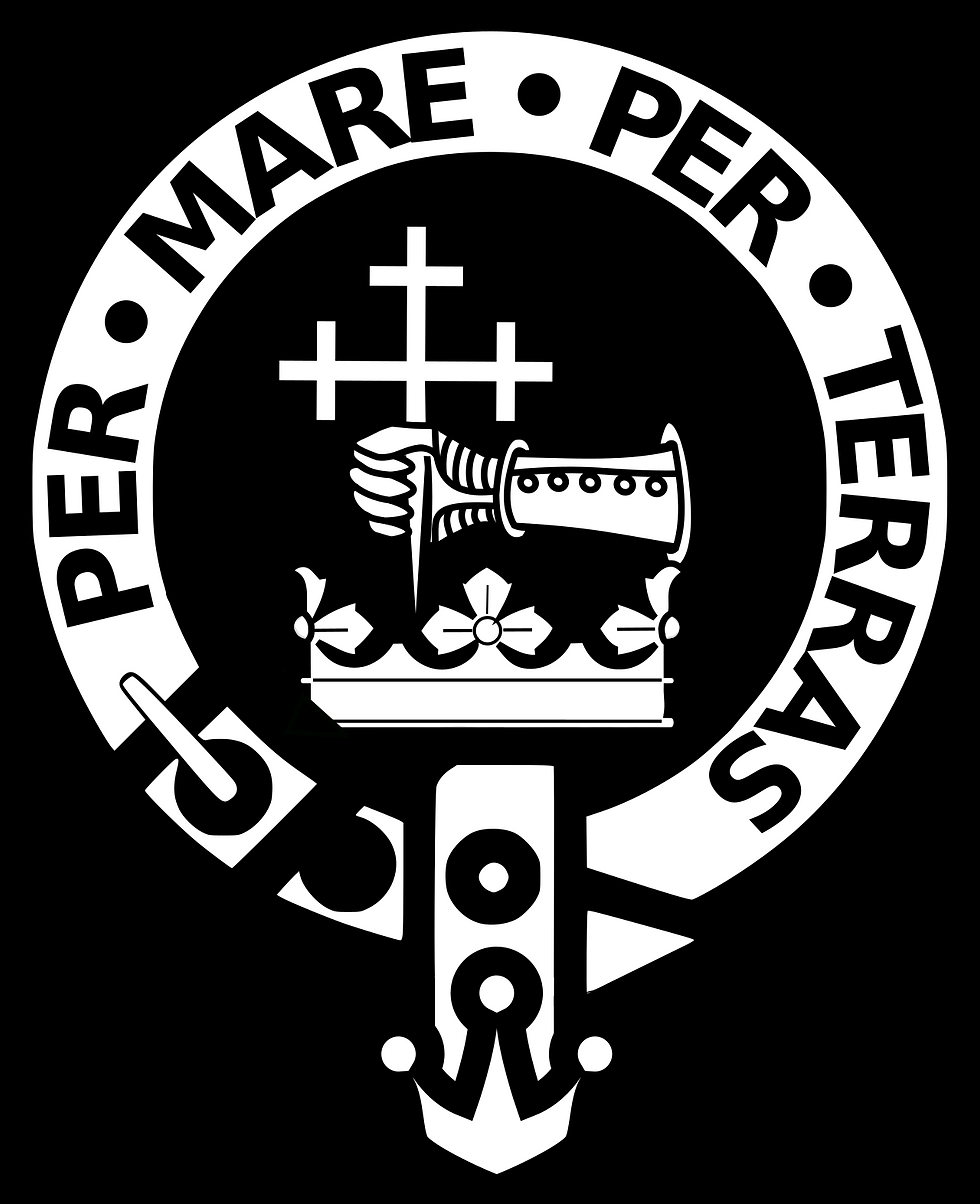
At its core, a Scottish crest badge is a heraldic symbol that shows allegiance to a clan.
It typically features three key elements:

The Crest
A symbol originally belonging to the clan chief—often an animal, object, or figure representing strength, leadership, or heritage
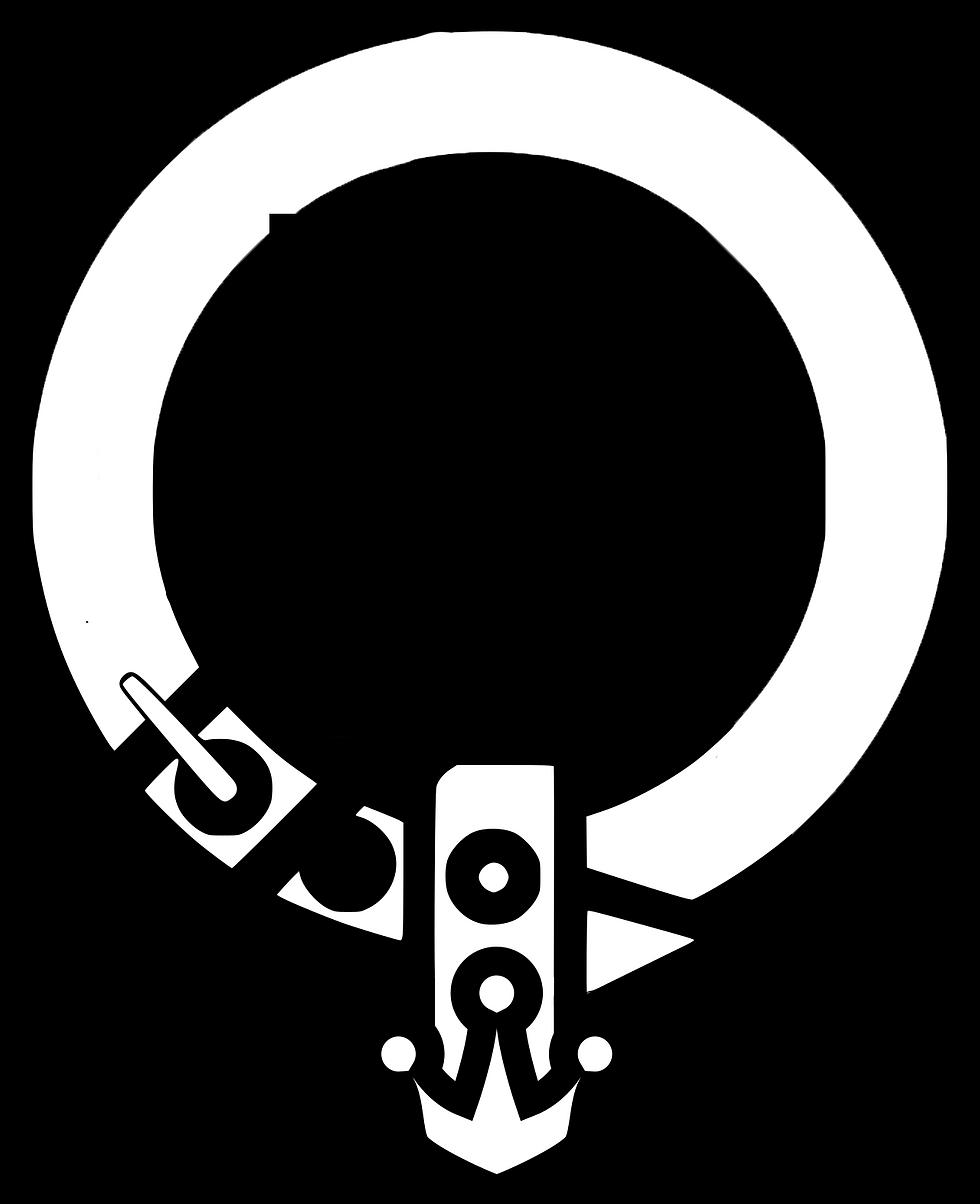
The Strap and Buckle
Encircling the crest, this iconic design represents loyalty—like fastening yourself to the clan
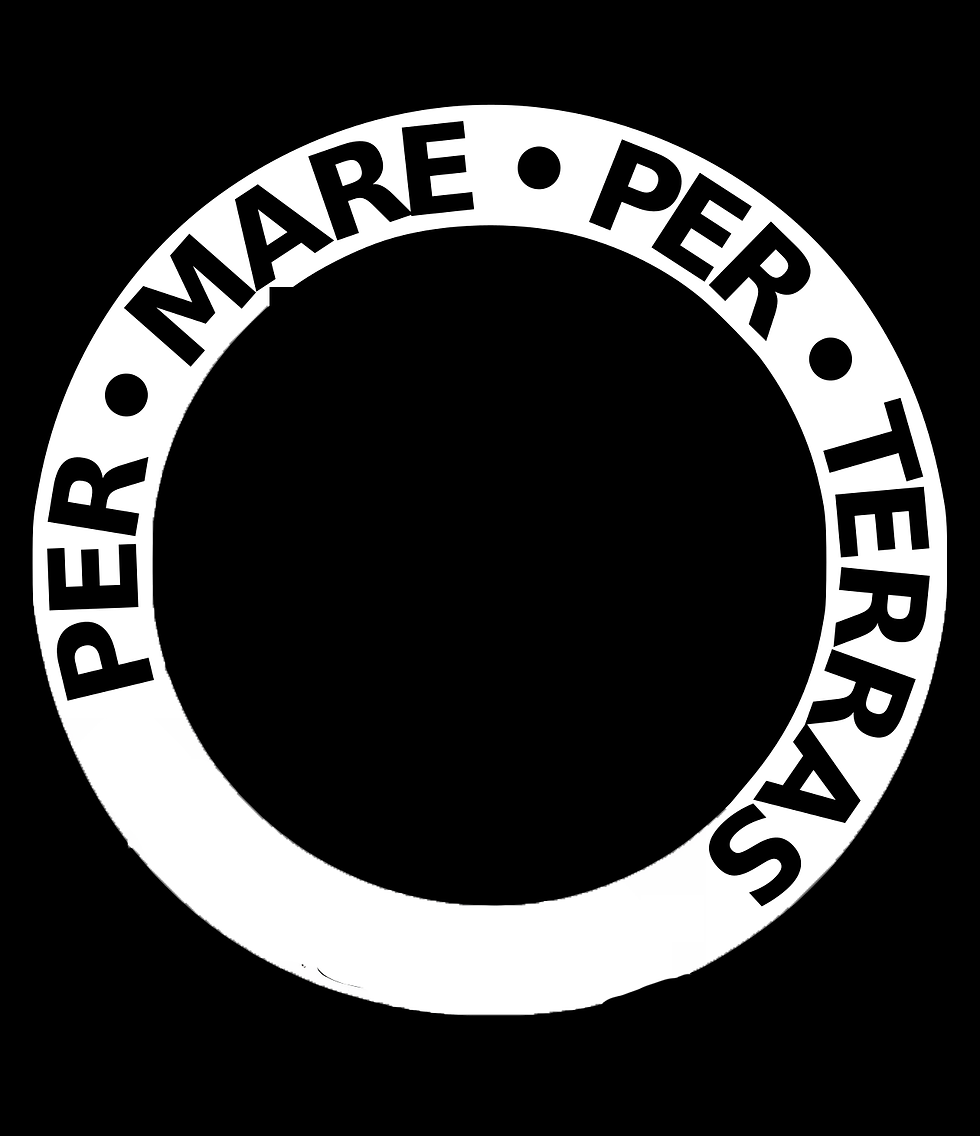
The Motto
Engraved into the strap, expressing the values or spirit of the clan
While the crest itself belongs to the chief, the badge allows every member to share in that identity.
A Story Rooted in Heraldry
The origins of the crest badge go back to medieval heraldry in the 12th century, when coats of arms were used to identify knights and noble families.
Originally:
The crest appeared on top of a helmet
It was often a three-dimensional symbol—like a lion, stag, or weapon
Each design was unique to a leader or family
Over time, Scottish clans adopted these symbols, and the crest evolved into something more than identification—it became a marker of belonging.
The Meaning Behind the Design
Every detail in a crest badge carries meaning:
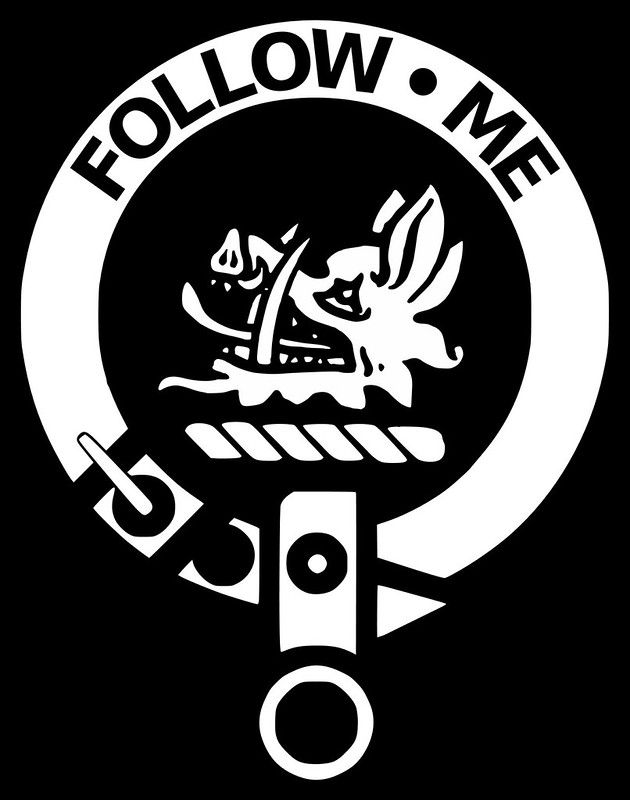
Animals
Lions → courage and leadership
Stags → nobility and strength
Boars → bravery and ferocity
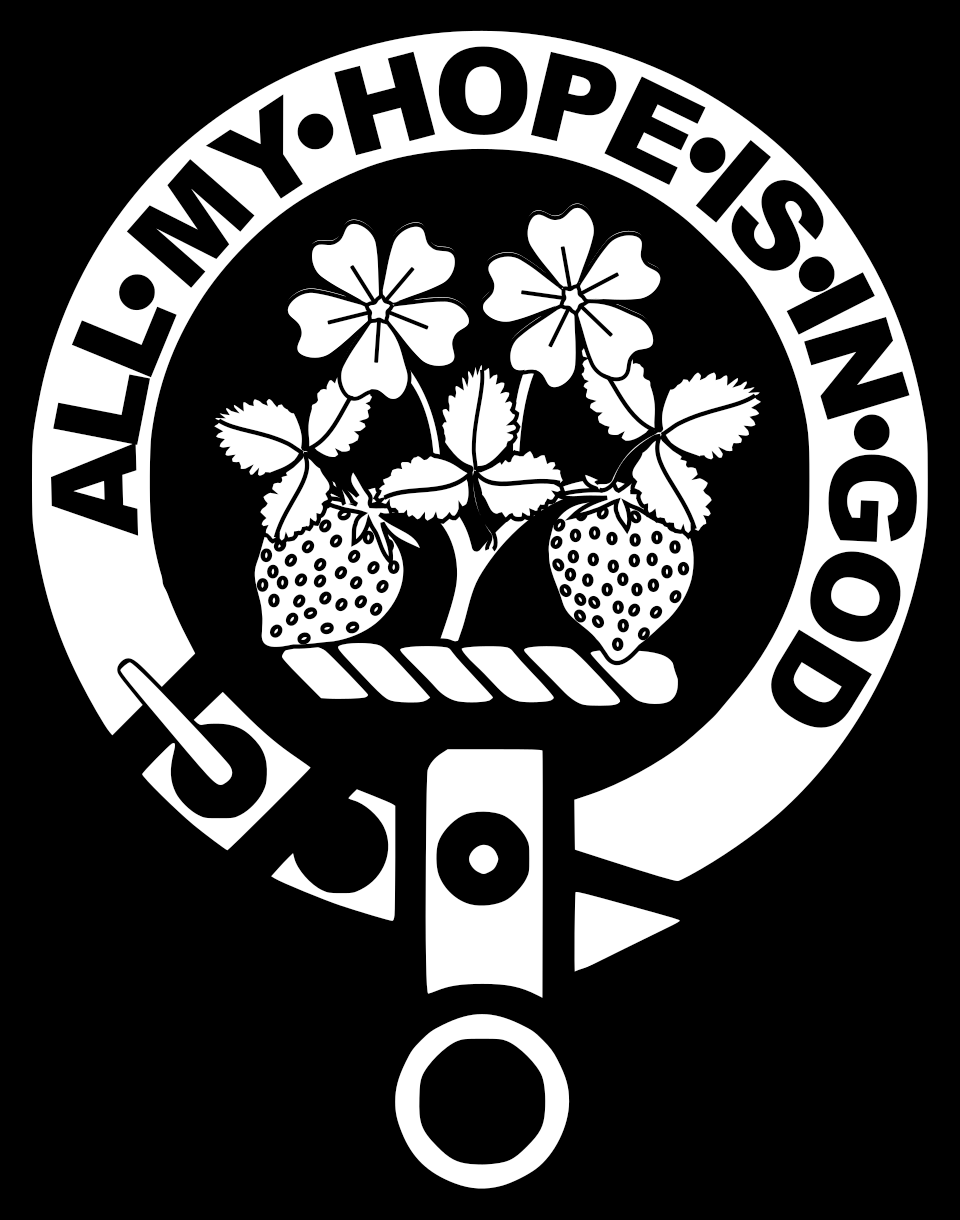
Plants
Thistles → resilience and Scotland itself
Trees → growth and deep roots
Objects
Swords, ships, crowns → power, exploration, or authority
Each crest is a visual story—capturing what a clan stood for and how it saw itself in the world.
From Chiefs to Clans
One of the most unique aspects of the Scottish crest badge is its shared ownership.
The crest belongs to the clan chief
The strap-and-buckle allows everyone else to wear it
This design created something powerful: A symbol that connects individuals to a collective identity
By the 17th and 18th centuries, crest badges had become a widely worn emblem of unity and pride.
Wearing the Crest Today
Today, the crest badge continues to evolve while staying true to its roots.
It is commonly worn as:
a brooch or kilt pin
a bonnet badge
jewelry like pendants or cufflinks
You’ll see them at:
Highland Games
weddings and formal events
cultural gatherings around the world
For many, it’s not just an accessory—it’s a statement of identity.
Why the Crest Badge Still Matters
In a modern world, where identities are constantly shifting, the Scottish crest badge remains something steady.
It represents:
Belonging – a connection to family and clan
Heritage – especially for Scots abroad
Values – carried through generations
To wear a crest badge is to say:“This is where I come from—and what I stand for.”
Final Thoughts
The Scottish crest badge is more than a symbol—it’s a bridge between past and present.
It carries stories of chiefs and clans, of loyalty and legacy. And even today, it continues to connect people to something deeper than themselves.
Because in Scotland, identity isn’t just remembered—it’s worn with pride.

Kommentare